 A clean Keurig brews better coffee, lasts longer, and avoids the unpleasant flavors that come from built-up residue. Cleaning a Keurig requires just a few minutes each week and a more thorough session every few months. Here’s the complete guide to keeping your machine in top condition.
Weekly Cleaning Routine
The weekly routine addresses the parts of your machine that come into direct contact with coffee and pods regularly.
Start by removing the drip tray. This is the small platform your mug sits on. Slide it out from the bottom of the machine, remove the grill insert if applicable, and wash both pieces with warm soapy water. Rinse thoroughly. A coffee-stained drip tray is not just unsightly—residual coffee oils can contribute off-flavors to future brews.
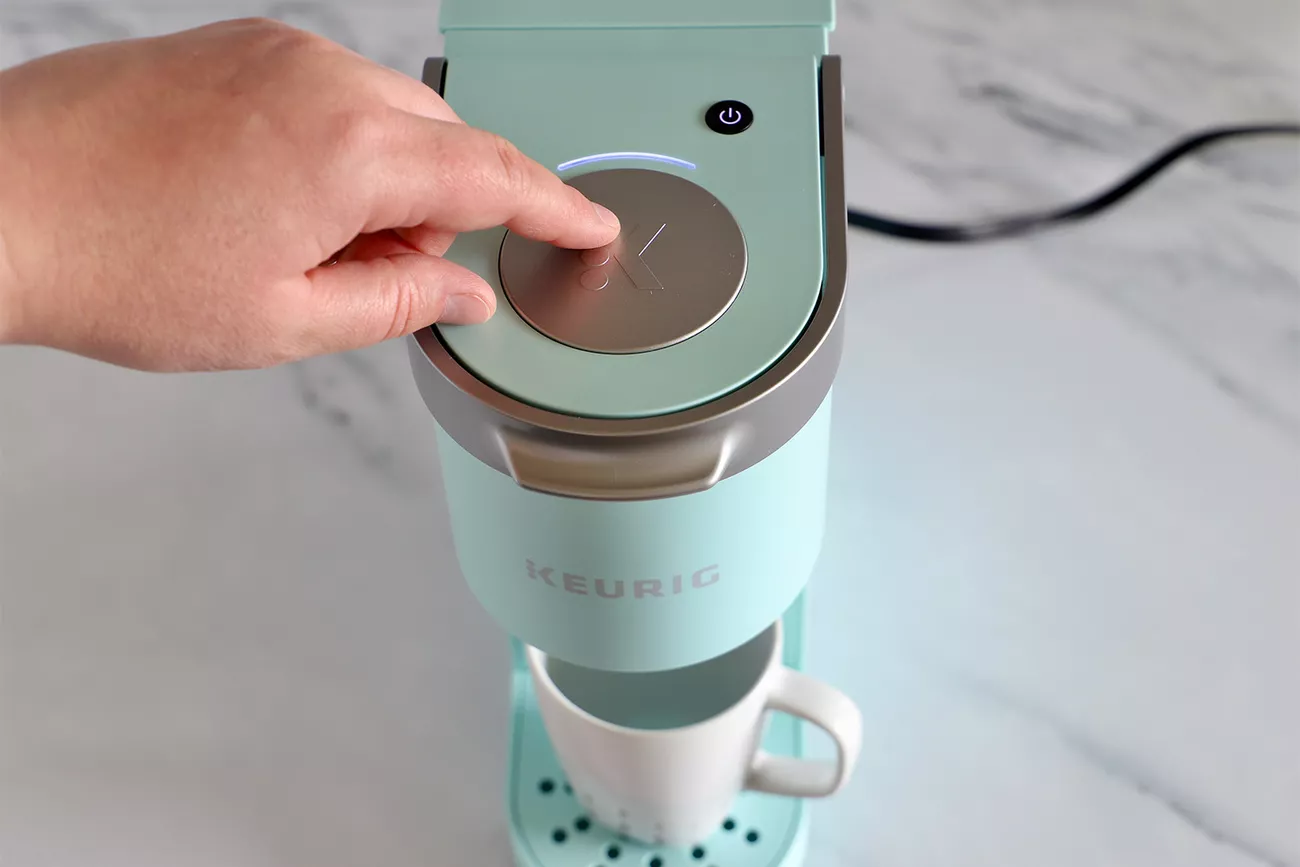
Next, remove the pod holder assembly. On most Keurig models, this lifts out by pulling up on it while the handle is raised. The pod holder consists of an outer holder and an inner funnel that separates. Disassemble these components and wash them with warm soapy water. Use a soft brush or sponge to remove any trapped coffee grounds. Rinse and allow to dry before reassembling.
Wipe the exterior of the machine with a damp cloth. Pay attention to the area around the pod compartment, the water reservoir exterior, and the control panel. Avoid letting water drip into the electrical components or the pod compartment when the machine is plugged in.
If your machine has a removable water reservoir, remove and wash it weekly with soapy water or run it through the dishwasher if the manufacturer specifies it’s dishwasher safe. Rinse thoroughly to remove all soap residue before refilling with water.
Needle Cleaning
The needles that puncture your K-Cup pods accumulate grounds and coffee oils over time. Clogged needles can affect water flow and weaken your brew. Keurig recommends cleaning the needles monthly.
Use Keurig’s official needle-cleaning tool (usually included with the machine or available as an accessory). Fill the cleaning tool with water and insert it into the pod compartment. Open and close the handle five times, which flushes the needles. Alternatively, use a straightened paper clip to carefully clear each needle hole.
After needle cleaning, run two to three water-only brew cycles to flush any loosened debris from the system.
Monthly Descale Reminder Check
Check your descaling indicator light monthly, even if it hasn’t triggered. In hard water areas, scale accumulates faster than the indicator’s reminder cycle accounts for. If you notice slower heating, weaker brews, or unusual sounds, descale immediately regardless of whether the light is on.
Quarterly Deep Descaling
Every three to six months, perform a full descaling cycle. Empty the reservoir and remove any water filter. Fill the reservoir with Keurig descaling solution or a fifty-fifty mixture of white vinegar and water.
Run the largest brew size repeatedly without a pod until the reservoir is empty, pouring the collected liquid down the drain after each cycle. Once empty, fill the reservoir with fresh water and run two full flush cycles to remove all traces of descaling solution.
Replace your water filter cartridge during each descaling session if your machine uses one. New filter cartridges remove more impurities and do a better job of preventing future scale buildup.
Deep Cleaning the Water Reservoir
Every few months, give the water reservoir a thorough cleaning beyond the usual rinse. Fill it with warm water and a small amount of dish soap, then shake gently. Use a bottle brush to scrub the interior walls. Rinse thoroughly three to four times to ensure no soap residue remains. Soap residue in the reservoir can impart an off-flavor to brewed coffee.
Descaling the External Spout Area
The area where your brewed coffee exits the machine can accumulate dried coffee residue over time. Use a damp cloth or small brush to clean this area gently. A cotton swab dipped in warm water works well for reaching the inside of the spout.
Signs Your Keurig Needs Cleaning
Watch for these indicators: coffee that tastes more bitter or sour than usual, slower-than-normal brew cycles, incomplete fills where less liquid exits than the selected size, unusual gurgling or sputtering sounds, and visible scale buildup on internal plastic surfaces visible through the reservoir or pod compartment.
Addressing these signs promptly with appropriate cleaning prevents minor issues from becoming machine-damaging problems. A clean machine is a happy machine, and your coffee will taste noticeably better for the effort.